
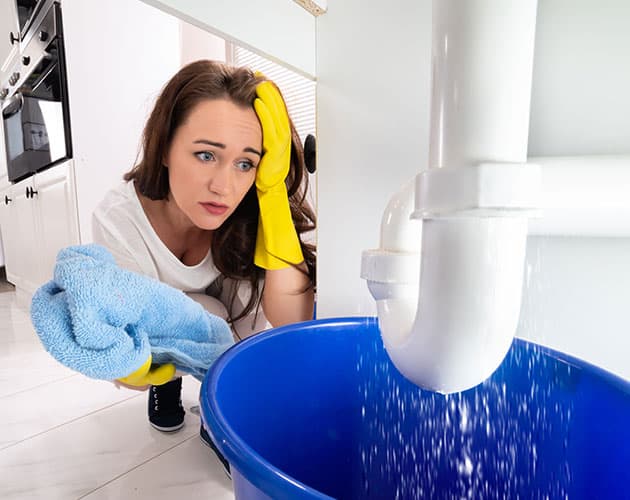
Plumbing disasters are among the most financially destructive events a homeowner can experience. From burst water pipes flooding hardwood floors to sewage backing up into ground-floor bathtubs, emergency water damage repairs frequently cost thousands of dollars.
Fortunately, the vast majority of catastrophic plumbing emergencies are completely preventable with basic awareness and routine maintenance. Here are the top actionable steps our licensed technicians recommend to safeguard your home year-round.
1. Know Your Main Water Shut-Off Valve Location
When a pressurized pipe bursts, it can unleash 10 to 20 gallons of water per minute inside your home. Every adult in your household should know the exact location of the main water shut-off valve (usually located in the basement, utility closet, or near the water meter curb). Test the valve once a year to ensure it turns smoothly without binding.
2. Inspect and Test Your Sump Pump Before Heavy Storms
In coastal and river valley regions like Virginia Beach, Chesapeake, and Fredericksburg, heavy seasonal rains cause high groundwater tables. Test your sump pump by slowly pouring a 5-gallon bucket of water into the sump basin to confirm the float switch activates properly. Crucially, install a battery-backup sump pump to keep running when severe thunderstorms knock out power.
3. Prevent Winter Frozen Pipes
Virginia winters experience sharp freeze-thaw cycles that catch uninsulated pipes off guard. Disconnect all garden hoses from exterior spigots before the first freeze. In unheated crawl spaces and exterior-facing walls, insulate copper and PEX pipes with foam sleeve insulation. During extreme cold snaps below 20°F, keep interior under-sink cabinet doors open to allow warm room air to circulate.
4. Don't Treat Toilets as Trash Cans
Despite marketing labels claiming "flushable," wet wipes, paper towels, dental floss, feminine hygiene products, and grease do not dissolve in water. They snag on pipe joints and collect into massive fatbergs that clog your main sewer line. Only flush toilet paper and human waste.
5. Keep An Eye on Water Pressure
Municipal water pressure exceeding 80 PSI puts excessive stress on supply lines, appliance hoses (washing machines and ice makers), and faucet cartridges, dramatically increasing the risk of catastrophic pipe rupture. Installing a calibrated pressure reducing valve (PRV) stabilizes pressure at a safe 50-60 PSI.
24/7 Rapid Emergency Response
If disaster strikes, Virginia DrainVantage is on call 24 hours a day, 7 days a week, 365 days a year. Our dispatchers answer around the clock for immediate assistance.
24/7 Emergency Plumber Info